

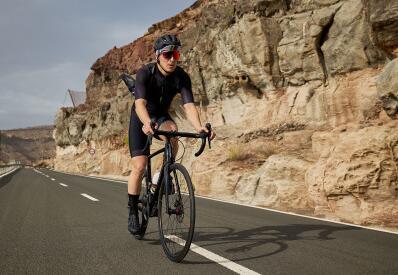
Cyclists have an ongoing and troublesome relationship with wet weather – or more specifically, how to stay dry in it. It’s a truly miserable thing to be wet and cold on a bike, and to still have miles ahead of you. And one of the worst parts of that misery is, undoubtedly, wet feet. Wet feet lose heat around twenty five times faster than dry feet, which accounts for why they feel so cold, so quickly, when the rain sets in. So, for a comfortable ride in the rain, it’s worth investing a little to keep them dry, and there are a range of ways you can do this.
You’ll need to do this through your footwear – waterproof shoes, socks or cycling overshoes. Waterproof trousers with shoe covers are also an option. Or, you can go for a waterproof spray. Lastly, there are cheap DIY hacks – a simple plastic bag being the most common.
Keeping the rest of your body dry when cycling isn’t such a problem. There are a vast number of decent waterproof jackets and trousers on the market, along with alternative options such as a good poncho (unless it’s blowing a gale). It’s also important, and relatively easy, to take care of your bike after a heavy shower. But because of the position of your feet, taking the brunt of splashes and spray, it’s extremely difficult to protect them completely. You’ll probably find that you’ll need a combination of waterproof gear to achieve this.
For those on a budget, waterproof socks can provide a good, cheaper solution to keeping your feet dry, as many find that they work wonders even if the shoes around them are saturated.
There are a range of shoes that are waterproof – some designed specifically for cycling and others for walking or other sports such as running. If you’re not using clipless pedals then you’re not limited to the kind of shoe you can use. Remember that a shoe might be completely waterproof, but if it’s a low fit then the top of the shoe will need to be protected to prevent water coming in as it runs down your legs – which is inevitable in heavy rain.
Waterproof sprays for shoes can be quite effective, but less so in very heavy rain as the shoe seams can leak. The best sprays should be suitable for all types of shoe material, but consider what type of shoe you’re using – those with large ventilation holes will be difficult to seal with a spray. Before spraying, your shoes should be totally dry in order for the spray to soak in. You should also leave time for the spray itself to dry after coating.
You may also want to consider coating your shoes with waterproof wax, which is cheaper and (some feel) more effective than a spray. The downside is it takes longer to do.
So, whether you’re out in the rain for fun, or you’re determined that the moist climate isn’t going to deter you from cycling to work – whatever your journey throws at you, you can feel confident that squelchy wet feet needn’t be a part of it.