

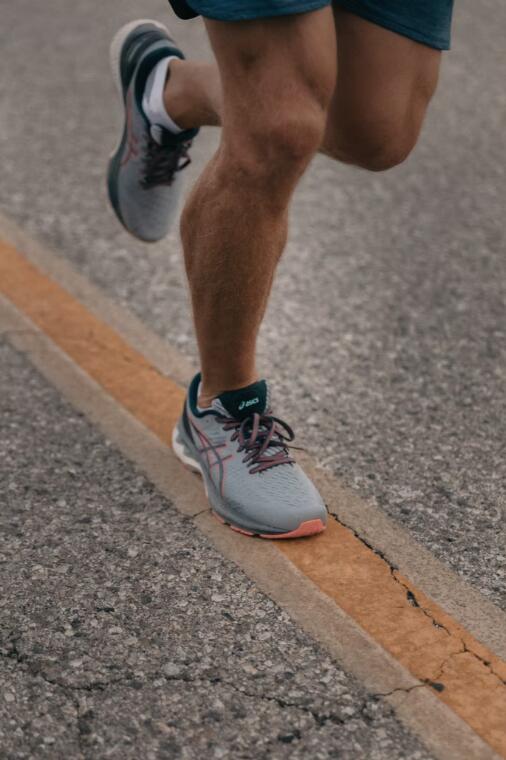
 Runners may not initially spend a lot of time thinking about their socks, but they certainly will when they encounter their feet’s biggest enemy: blisters. Those nasty little buggers are the quickest way to derail any runner. And they are most commonly caused by moisture and rubbing in your socks.
The remedy is wearing the proper socks for your feet, running style, and environment. It often comes down to choosing between thick or thin socks, and making the right choice can transform your runs. Follow our guide to determine the best option for you.
Pros & Cons of Each
The level of cushioning in your socks is tied to their thickness, cut, and material. For this comparison, we’ll focus primarily on how different thickness can affect the feel and outcome of your run.
Thick Socks
Thick socks are designed to provide full cushioning for extra comfort. The plush result makes them a top pick for distance and trail runners seeking relief over long excursions. They also provide additional warmth by creating room for warm air to gather around your feet, which can be helpful to runners in colder climates who refuse to let the winter season interfere with their runs.
Fit is an interesting aspect for thicker socks and could be a pro or a con depending on your needs. Thick socks often come with a tighter fit. For example, the extra cushioning could keep shoes from sliding around on narrow-footed runners and fill in any gaps for those with smaller feet. On the flip side, the added thickness may make it harder for others to fit in their sneakers.
Thin Socks
Runners after a lightweight, breathable sock should consider a thinner option. The lighter knit allows for high ventilation and can be less constricting than its thicker counterpart. This makes it an ideal choice for racers, sprinters and other athletes with snug-fitting shoes.
Thin socks are quick-drying, and therefore a generally more popular choice among runners because they accommodate warmer seasons — when most running takes place. This style often includes a mesh top for heat to escape through as well as additional material over high-use areas like heels and toes to further prevent blisters.
On the downside, some runners may not feel enough support from a thin sock or even experience some uncomfortable friction from the material during exercise.
Is There a Compromise?
Runners who want the best of both worlds should consider medium-thickness socks, which provide a blend of extra cushioning plus moisture-wicking. These are generally considered “all-weather” socks and compatible with any type of running.
You can also use a liner sock or toe sock underneath thinner running socks to create a custom fit in any temperature while still getting blister protection.
The Bottom Line
Thick or thin? There’s no one right answer because every runner is unique. It’s always a good idea to go on a few runs in different socks to see what your preferences truly are — cushion, warmth, minimal fabric, etc. You may not need such thick socks even in winter, or you may find extra cushioning works well for your summer runs.