1. Pattern Drawing
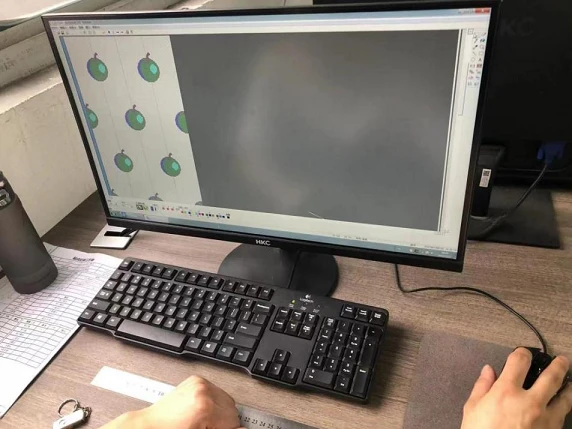
First of all, everything starts with having an idea. Our artists will draw the design draft according to the customer's ideas. This is our artists painting flower patterns. Transfer this design to the printer and prepare to put on socks. Our coding will convert the vector design into bitmap design, and then encode it, so that the knitting machine can read it. Each pixel of the bitmap design ensures that lines of a specific color are woven through.
2. Proofing
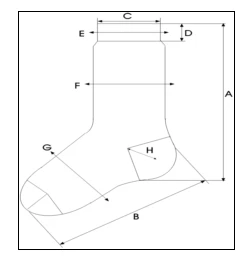
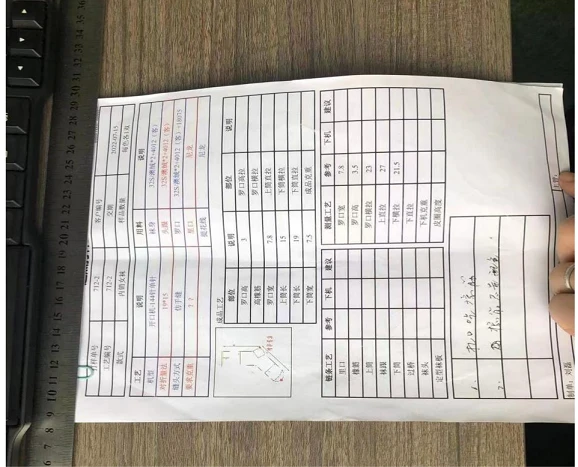
After drawing the design drawing, we should design the technology, specification and color of each sock.
First, determine the length of each part in the proofing book.
Then for technology, whether socks need terry, mesh hole, glue dispensing at the bottom to prevent slipping, etc.
You can see the actual pictures of our proofing book.
3. Sand Line
In this part, we need to determine the material and color of socks.
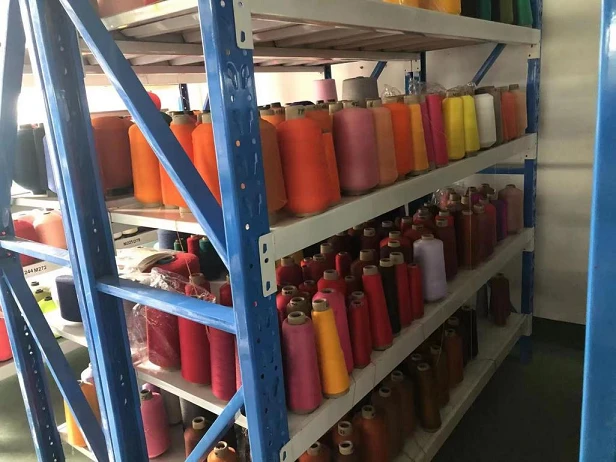
Socks of different materials, will bring different experience to the wearer. A wide range of materials, such as cotton, wool, nylon, acrylic, and polyester are used to create socks.
To increase the softness of socks, other materials such as bamboo, silk, and cashmere can be mixed with cotton. Socks made from plain natural cotton mixed with bamboo or polyester offer a great level of comfort and keep the feet cool and free from moisture. For elasticity, we can use spandex. There are nylon, polyamide fiber, polyester, a lot of materials, can be used in socks
Some fibers are especially helpful for people with sensitive skin, whereas others may worsen their allergies. Another aspect to bear in mind is the tightness and fitting of the sock as tight socks may affect or restrict blood circulation.
4. Machine
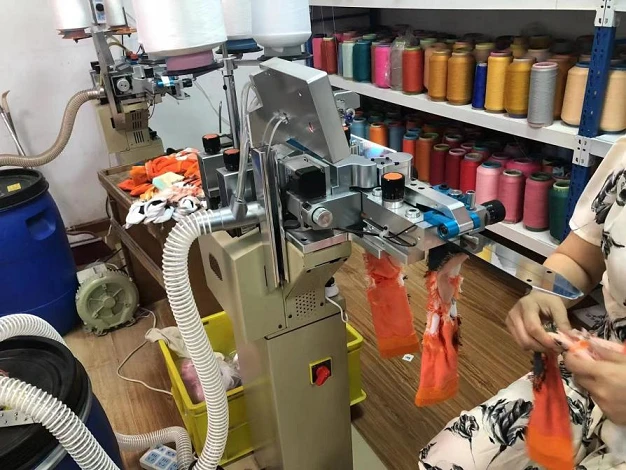
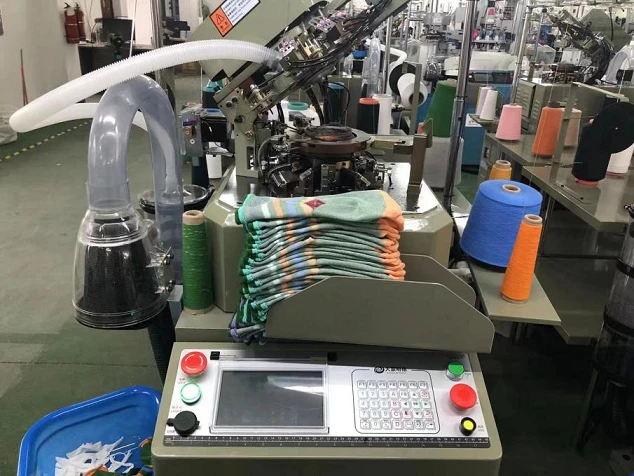
When the sock comes out of the machine, it is a circular cylinder which is formed by a thread that is continuously wound around. One Side is sock cuff , and the other side is sock toe . The worker will turn the sock over to the reverse side, and proceed to the next step of stitching.
5. Sewing Head
Take the socks off the machine for inspection, and start the sewing head manufacturing process for qualified products.
After stitching, the cylindrical stockings are transferred to the sewing head manufacturing process.Stitching the toe part of the sock onto the disc-mounted needle disc by hand stitching, and make by manual sewing.
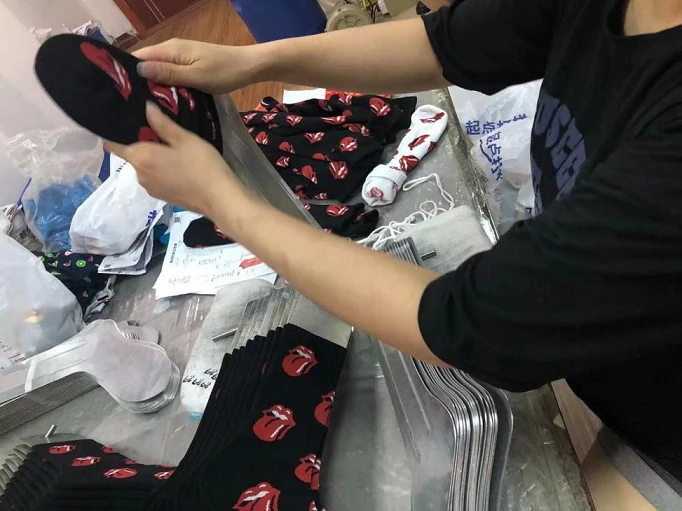
6. Shaping
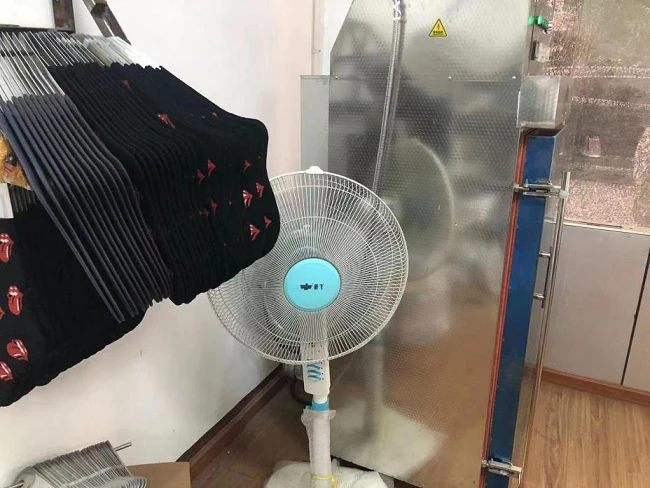
Transfer the qualified products into the heat setting process. Put socks on metal panels of various specifications and high temperature and pressure generated by boiler steam will shrink the inner elastic fibers and smooth the fluffy shape or folds of the sock surface. Then, after drying and cooling operations the sock surface can be shaped.